
Introduction
Streaming vs community platforms are reshaping the modern music industry. The way people access and experience music is no longer limited to passive listening. While streaming platforms have dominated for years, a new shift toward interaction, engagement, and direct artist connection is changing the landscape. Understanding streaming vs community platforms is essential to predicting what comes next for the music industry. Community-driven platforms are beginning to redefine what it means to experience music by focusing not only on listening, but also on interaction, engagement, and connection between artists and fans. This raises an important question: what comes next for the music industry?
The Streaming Era
Streaming changed everything about music consumption. It replaced physical ownership and digital downloads with instant access to vast music libraries. Users no longer needed to buy albums or songs individually. Instead, they could stream anything at any time through a subscription or ad-supported model.
Streaming platforms also introduced powerful recommendation systems. Algorithms analyze listening behavior to suggest new songs and curated playlists. This made music discovery easier and more personalized than ever before. For many users, streaming became the default way to listen to music.
However, despite its convenience, streaming is largely passive. Listeners consume music, but interaction with artists is minimal. Outside of likes, follows, and playlist additions, there is limited direct communication or community involvement.
The Rise of Community Platforms
Community-based music platforms are emerging to address this gap. Instead of focusing only on streaming tracks, these platforms prioritize interaction between artists and fans. Users can engage with posts, comment on updates, participate in discussions, and access exclusive content directly from artists.
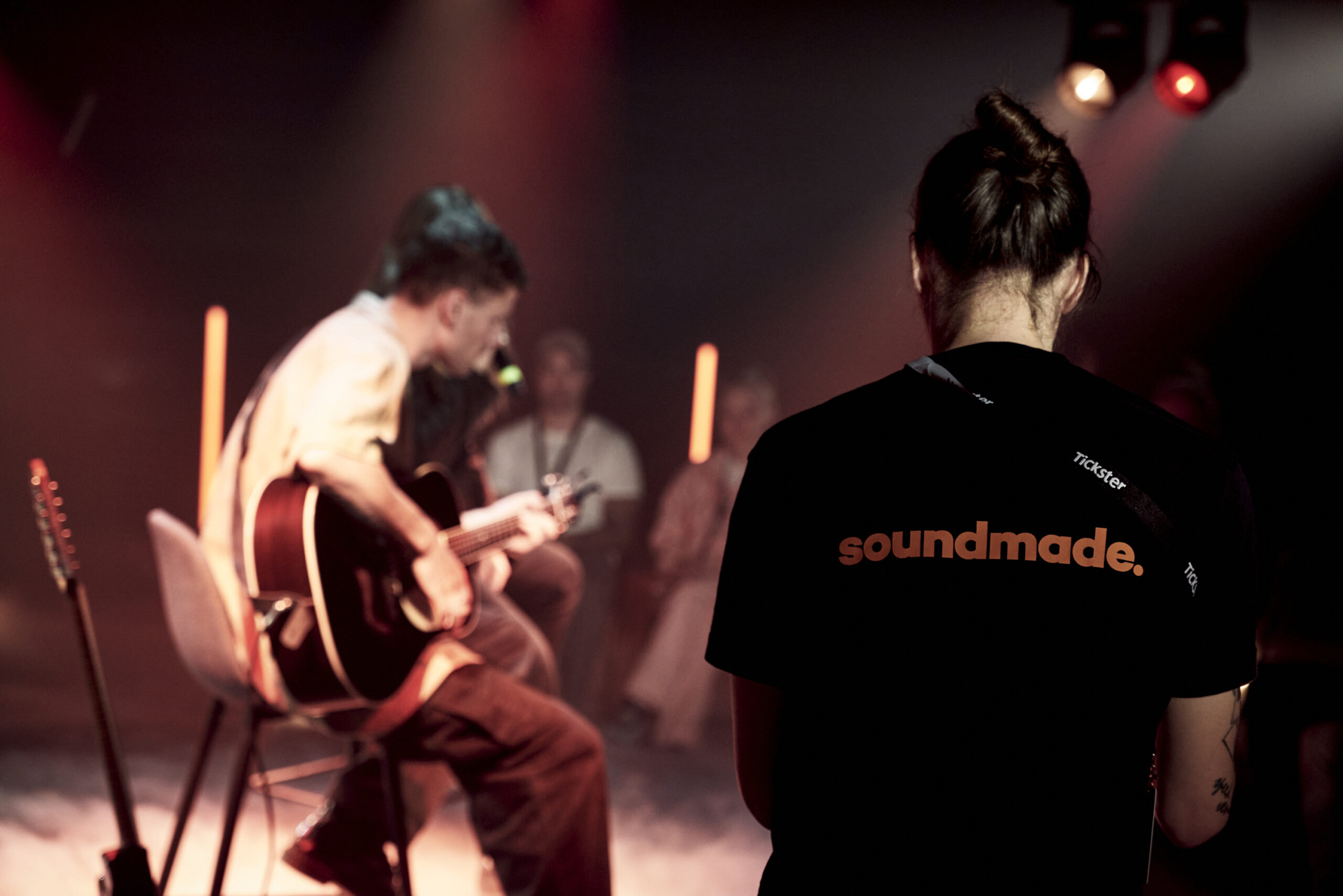
Platforms like Soundmade represent this shift by combining music discovery with social features. In these environments, the music experience becomes more dynamic. Fans are not just listeners; they become participants in an ongoing ecosystem built around artists and their work.
This shift reflects a broader trend in digital behavior. Users increasingly expect interactive experiences rather than passive consumption. Social media has already transformed how people engage with content, and music platforms are now following a similar path.
Key Differences Between Streaming and Community Platforms
Streaming platforms and community platforms serve different purposes, even though they both operate in the music space.
Streaming platforms focus on access and consumption. Their primary goal is to provide users with music on demand. Success is measured through plays, streams, and listening time.
Community platforms focus on engagement and interaction. Their goal is to build relationships between artists and fans. Success is measured through comments, interactions, participation, and audience loyalty.
While streaming emphasizes scale and convenience, community platforms emphasize depth and connection.
Why the Industry Is Shifting
Several factors are driving the shift toward community-based platforms. One major reason is audience behavior. Listeners, especially younger audiences, increasingly want to connect with the artists they support. They are not satisfied with simply hearing music; they want context, stories, and interaction.
Another factor is artist needs. In the streaming model, many artists struggle to build direct relationships with their audience. Community platforms give them tools to communicate directly, share updates, and build loyal fanbases without relying entirely on intermediaries.
Additionally, monetization plays a role. Streaming revenue is often limited and heavily dependent on high play counts. Community platforms open up alternative revenue streams such as exclusive content, fan engagement features, and direct support mechanisms.
The Role of Hybrid Platforms
The future of the music industry may not be a choice between streaming and community platforms, but rather a combination of both. Hybrid platforms are already emerging that integrate streaming capabilities with social and interactive features.
In these systems, users can listen to music while also engaging with artists and other fans. This creates a more complete ecosystem where discovery, consumption, and interaction happen in the same space.
This hybrid model allows platforms to retain the convenience of streaming while adding the depth of community engagement.
What This Means for Artists
For artists, the shift toward community platforms represents a major opportunity. It allows them to build stronger relationships with fans, receive direct feedback, and maintain more control over their audience.
Instead of relying solely on algorithms for visibility, artists can grow through engagement and community activity. This can lead to more sustainable careers, especially for independent creators who may not have access to traditional industry support.
What This Means for Fans
For fans, the experience becomes more immersive and personal. They can interact with artists, participate in discussions, and feel more involved in the music they enjoy. Music becomes less of a one-way experience and more of a shared journey.
Fans also benefit from discovering more diverse content. Community-driven platforms often highlight emerging artists and niche genres that may not appear in mainstream streaming recommendations.
Conclusion
Streaming platforms revolutionized access to music, making it more convenient and personalized than ever before. However, the next stage of evolution is focused on connection and interaction. Community platforms are reshaping how fans and artists engage with each other, creating a more dynamic and participatory music ecosystem.
The future of the music industry is likely to combine the strengths of both models. Streaming will continue to provide access, while community platforms will add meaning, interaction, and engagement. Together, they will define the next era of music consumption.